
The Need for Genuine Supervision
A Calabria Esrog is valued not only for where it grows, but also for the authenticity of the tree from which it is taken.
When Rabbi Yisroel Jacobson began importing Yanover Esrogim in 1927, it was widely believed that the farmers of Calabria did not know how to graft Esrog trees. By the 1950s, however, evidence emerged that some trees were being grafted onto other citrus rootstock. Since an Esrog from a grafted tree presents serious kashrus concerns, reliable supervision could no longer depend on the reputation of the region alone.
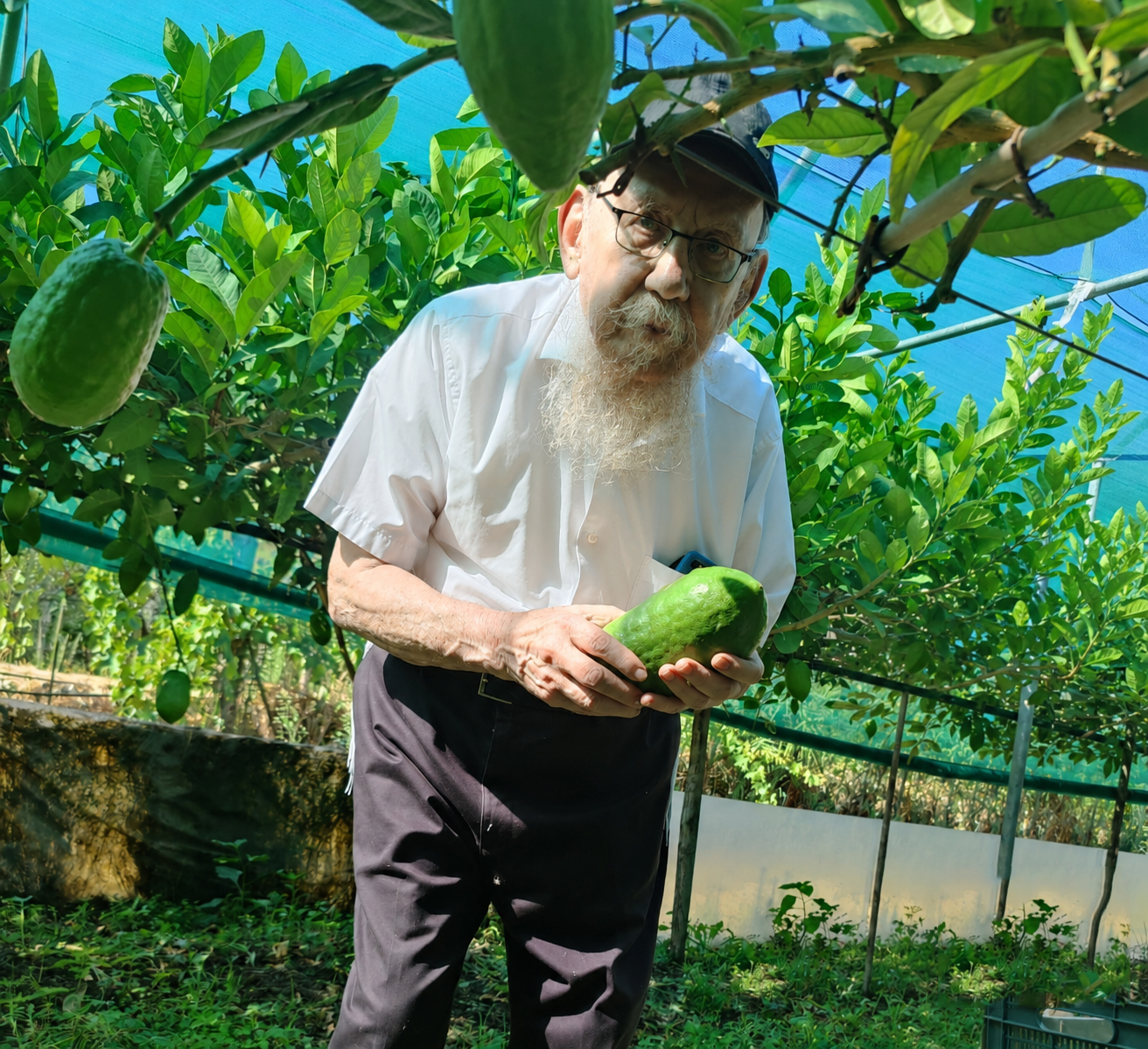
In 1955, the Rebbe instructed Rabbi Jacobson to travel personally to Calabria, inspect the orchards, and ensure that every Esrog came from a genuine, ungrafted tree. This established the standard of direct field supervision that continues to define Altein Esrogim.
For many years, Rabbi Moshe Lazar and the late Rabbi Shmuel Rodal, OBM, oversaw the supervision of the orchards and safeguarded the authenticity of the Yanover Esrogim. Today, Rabbi Lazar continues this sacred responsibility together with members of the Altein, Lazar, and Rodal families, including Rabbi Rodal’s children, who carry on their father’s honored legacy. They travel to Calabria to inspect the trees and oversee the harvest. In accordance with the Rebbe’s instructions, two witnesses are always present to witness each Esrog being cut from the tree.
This direct involvement helps ensure that every Esrog offered by Altein Esrogim comes from an authentic, ungrafted tree – preserving its trusted kashrus standards and the cherished Chabad tradition of Yanover Esrogim.
A Trust Established by the Rebbe
In a 1959 letter, the Rebbe addressed questions that had been raised regarding Rabbi Jacobson’s reliability. The Rebbe wrote of knowing him personally as a graduate of Tomchei Temimim and a mashpia of Chassidus, and affirmed that he was trustworthy in this matter.
This was more than a general endorsement. It reflected the enormous responsibility involved in supervising Calabria esrogim and the personal trust the Rebbe placed in Rabbi Jacobson’s integrity and judgment.
That same sense of responsibility has been carried forward through the generations of the Altein family.
,ב“ה, ד‘ סיון תשי“ט, ברוקלין
הוו“ח אי“א נו“נ וכו‘ מוה‘ . . . שי‘
!שלום וברכה
במענה על מכתבו מר“ח סיון, ותוכנו אם יכולים לסמוך על הרב הר“י דזשייקאבסאן שי‘ שהלא הוא נוגע בדבר – אתרוגי קלברה – ובפרט שלקיטתם כרוכה עם טרחה גדולה וכו‘
והנה ידוע הפסק דין, דעד אחד נאמן באיסורין, ואם אפילו הכרוך בטרחה, אף שבכמה ענינים הנה בתקופתנו דחשך כפול ומכופל, נתערערה חזקה ונאמנות האמורה
וביודעי ומכירי קאמינא הרב הנ“ל שלמד בהישיבה הק‘ תומכי תמימים וגם עתה מהמשפיעים תורת החסידות בה, ונאמן בהאמור
Inspecting Every Tree
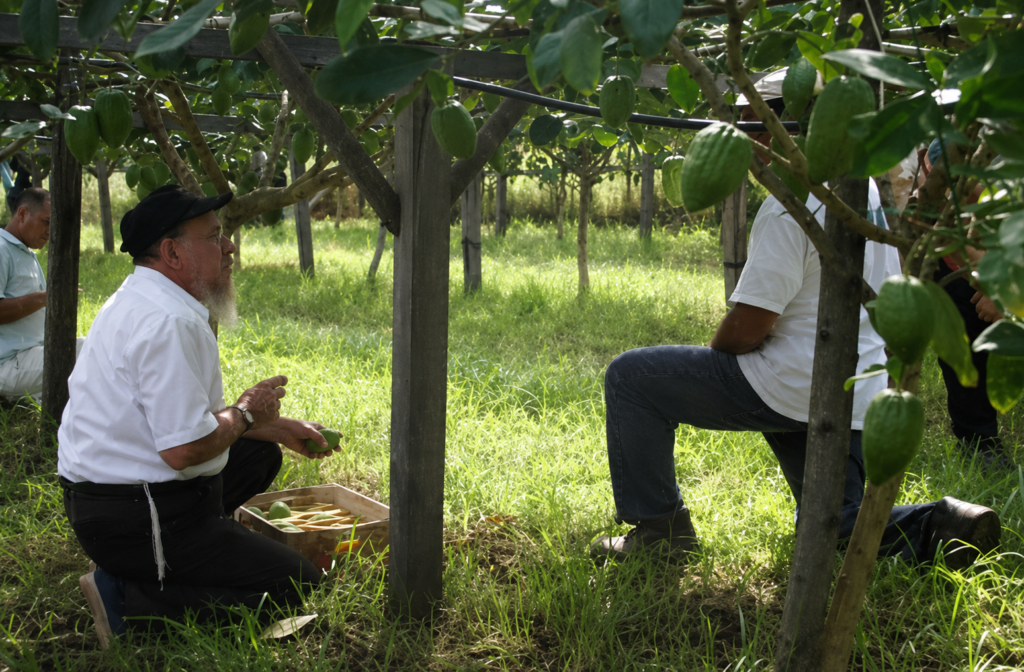
Before an esrog may be harvested, the tree itself must be inspected to ensure that it has not been grafted.
Detecting grafting requires considerable knowledge and experience. A graft may be concealed beneath the soil or hidden along the trunk. The mashgichim therefore examine every tree carefully and never rely only on the appearance of its fruit.
On one occasion, workers repeatedly avoided bringing the mashgichim into a particular section of an orchard. After persistent questioning, they discovered that grafts had been covered with earth in an attempt to conceal them.
Experiences such as these demonstrate why inspecting the fruit alone is insufficient. The source of every esrog must be carefully verified.
Supervising the Harvest
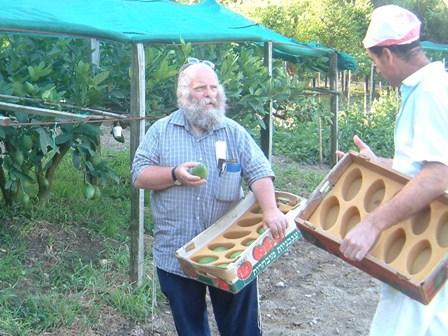
Once a tree has been approved, the actual cutting of its esrogim must also remain under careful supervision.
The mashgichim stay in the orchard while the workers harvest, ensuring that every esrog comes directly from an inspected tree. This prevents fruit from another tree or orchard from being introduced into the supervised harvest.
In the past, there were even instances in which branches bearing esrogim from grafted trees were placed among the branches of genuine trees in an attempt to disguise their true source.
Constant supervision is therefore essential throughout the harvest. From the moment an esrog is cut, its identity and connection to the approved tree must remain fully protected.
Maintaining the Chain of Custody
Supervision does not end when the esrog is removed from the tree. Every subsequent step must remain carefully controlled.
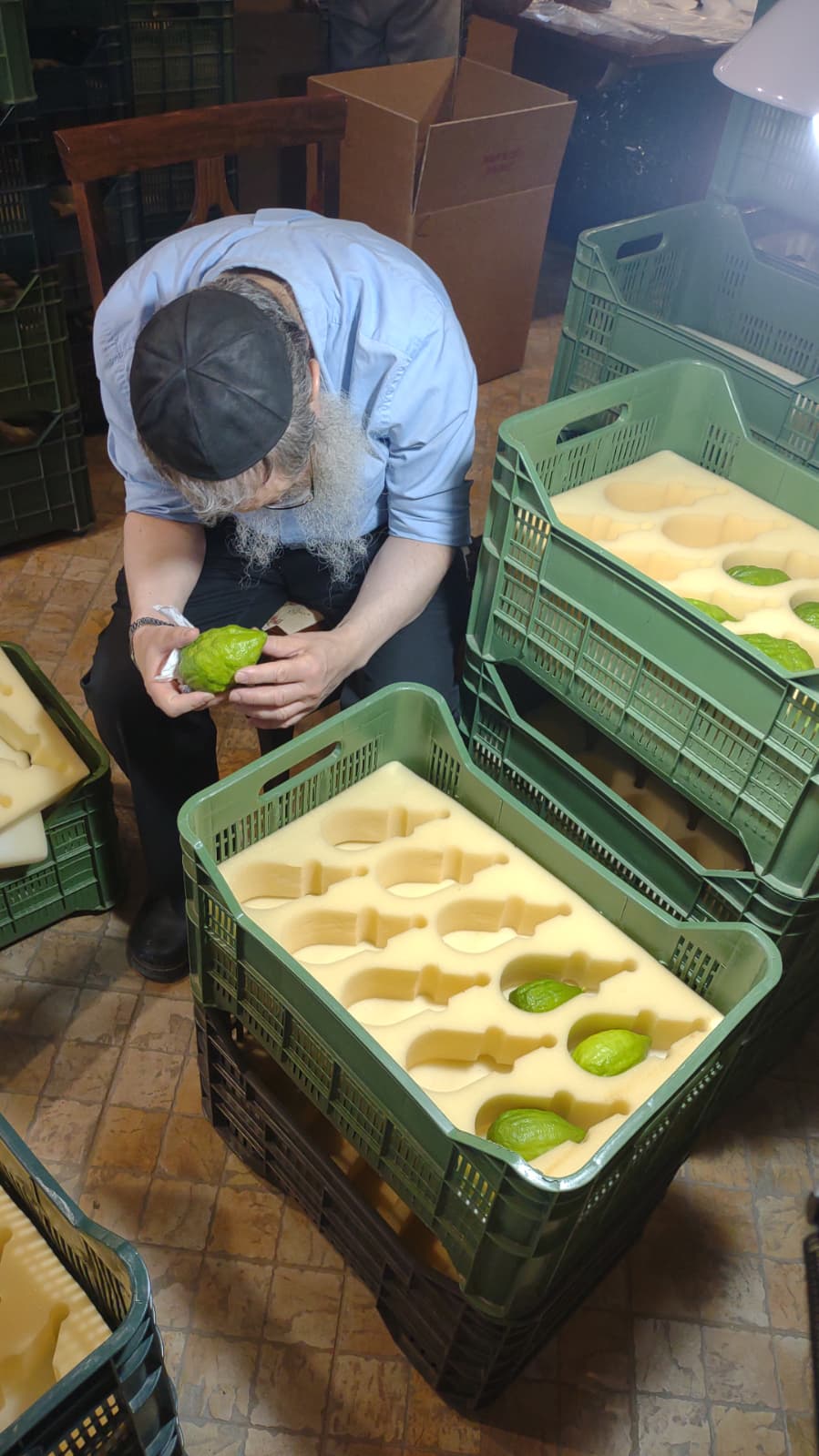
The freshly cut esrogim are kept under watch as they are collected, transported from the orchard rows, and brought into the designated packing area. This maintains an uninterrupted chain from the verified tree to the packed esrog.
The number and placement of mashgichim are arranged according to the size of the orchard and the volume being harvested. This allows both the work in the field and the activity in the packing area to be supervised properly.
At no stage are the esrogim permitted to leave the carefully monitored process.
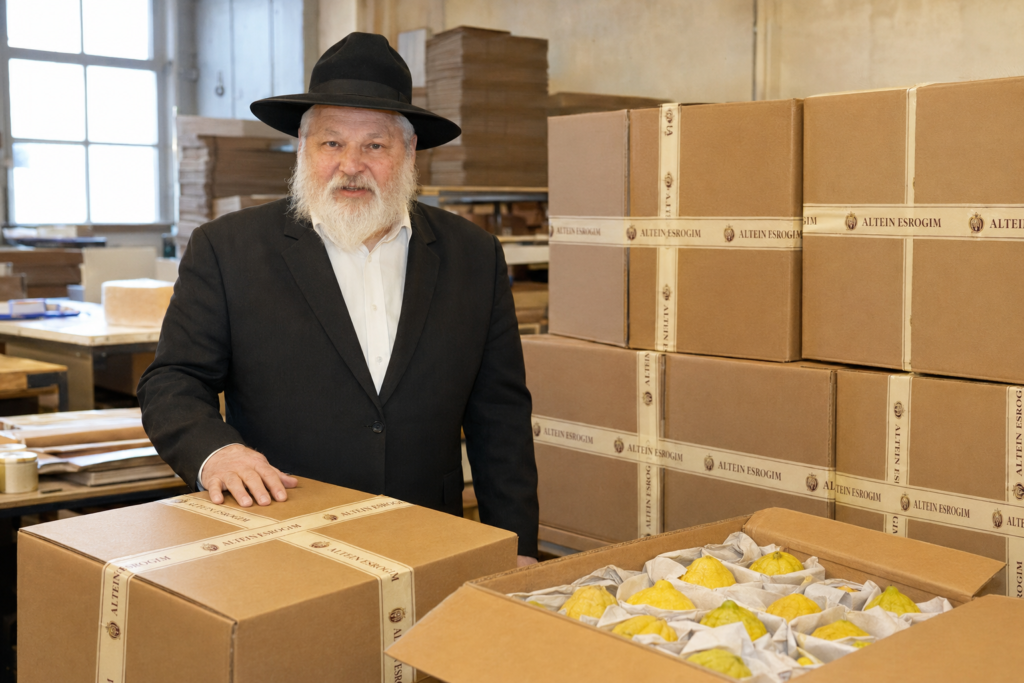
Protected Through Packing and Distribution
The final stage of hashgacha ensures that the esrog offered for sale is the same one that was harvested under supervision in Calabria.
The supervised esrogim are packed and clearly identified so that their source can be traced throughout the distribution process. Authorized packaging and identification preserve the integrity of the hashgacha and help customers recognize genuine Altein-supervised Calabria esrogim.
This protection remains important after the esrogim leave the packing area and continue through the hands of distributors and retailers.
From inspecting each tree to supervising the cutting, packing, and distribution, every stage serves one purpose: preserving the authenticity and reliability of the Yanover esrog.
Exceptional Beauty
Premium hand-selected Esrogim.
Authentic Yanover
True Calabrian Esrogim.
Carefully verified.
Experienced mashgichim.
Nearly 100 Years
A century of family tradition.
From Tree to Box: Our Hashgacha
Every Altein Esrog begins with careful supervision in the orchards of Calabria and remains under watch throughout the harvest, packing, and distribution process.